
[ad_1]
Japan is a vacation spot that draws vacationers from all around the world. With its wealthy tradition, beautiful landscapes, and heat hospitality, it’s no marvel vacationers hold coming again. There are simply so many locations to discover that each journey seems like visiting a wholly new vacation spot. Whether or not you’re trying to find the freshest sushi, exploring centuries-old castles, or making an attempt to see the cherry blossoms, Japan guarantees an unforgettable expertise.


Apart from the Philippines, Japan holds a really particular place in our hearts — it’s truly our most visited nation ever. However we nonetheless keep in mind our first journey to the Land of the Rising Solar, partly as a result of we bumped into fairly just a few hiccups alongside the way in which. So we need to share with you a number of the issues we want we had identified or accomplished otherwise after we began touring to Japan. Hopefully, you may study from our expertise and keep away from committing the identical errors.
Japan Price range Journey Errors
1. Unhealthy Timing
Japan is a incredible year-round vacation spot, providing one thing fascinating in each season. Nevertheless, to profit from your journey, it’s essential to align your expectations together with your timing.
As an example, when you’re dreaming of seeing cherry blossoms, needless to say their blooming season is fleeting — usually lasting simply a few weeks. Since sakura blooms at totally different occasions throughout Japan, you’ll have to plan accordingly. Blossoms seem earlier in southern cities akin to Fukuoka and Nagasaki and later in northern areas like Hokkaido. To catch them at their peak, be sure you examine sakura forecasts in your particular vacation spot on-line earlier than reserving your journey.
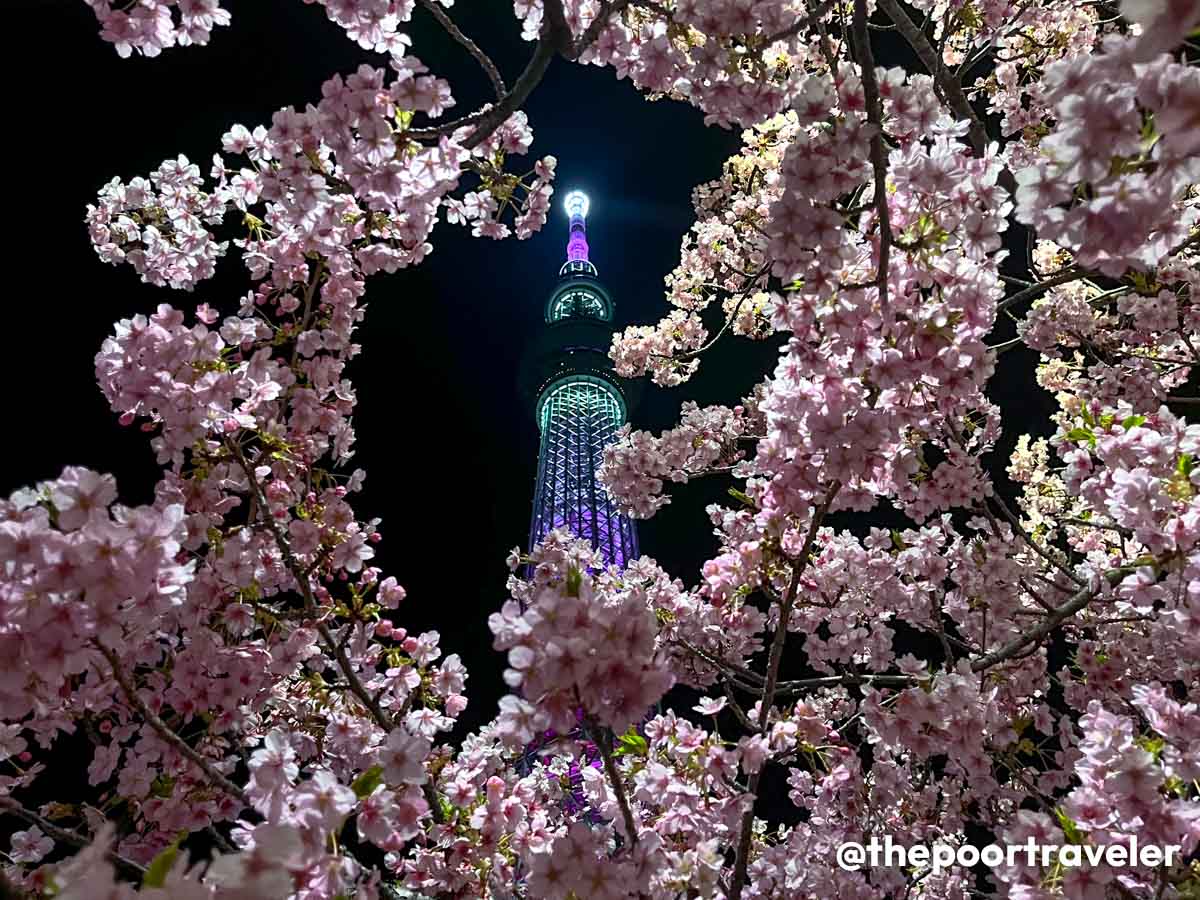
In case you go to throughout sakura season, anticipate main parks to be filled with each locals and vacationers. To get pleasure from a quieter expertise, think about in search of out smaller, lesser-known parks which are much less crowded. Moreover, when you desire to keep away from crowds and excessive costs, keep away from Japan’s busiest journey intervals. Main holidays see a surge in home journey, making transportation and lodging tougher to e book and costlier. Listed below are some key holidays to be aware of:
- Golden Week: April 29 – Might 5
- Obon Competition: August 13 – 15
For these touring in winter, needless to say daylight are shorter and plenty of institutions shut earlier, particularly round New Yr’s Day. Alternatively, when you’re visiting throughout summer season, be ready for intense warmth and humidity, generally even hotter than within the Philippines. In case your journey falls in July or August, ensure that to pack mild, breathable clothes to remain snug whereas exploring.
2. Dismissing Resort Location
As funds vacationers, our prime precedence when reserving lodging is all the time the worth. Nevertheless, price isn’t the one issue to contemplate. Location performs a major position too. Whether or not we’re reserving a resort, hostel, or house, we all the time goal for lodging which are close to a prepare station. Japan’s transportation system, significantly its trains, is huge and environment friendly, and lots of the nation’s main sights are simply accessible from prepare stations. In reality, prepare stations in lots of cities additionally function hubs for bus pickups and drop-offs, making them central factors for getting round.
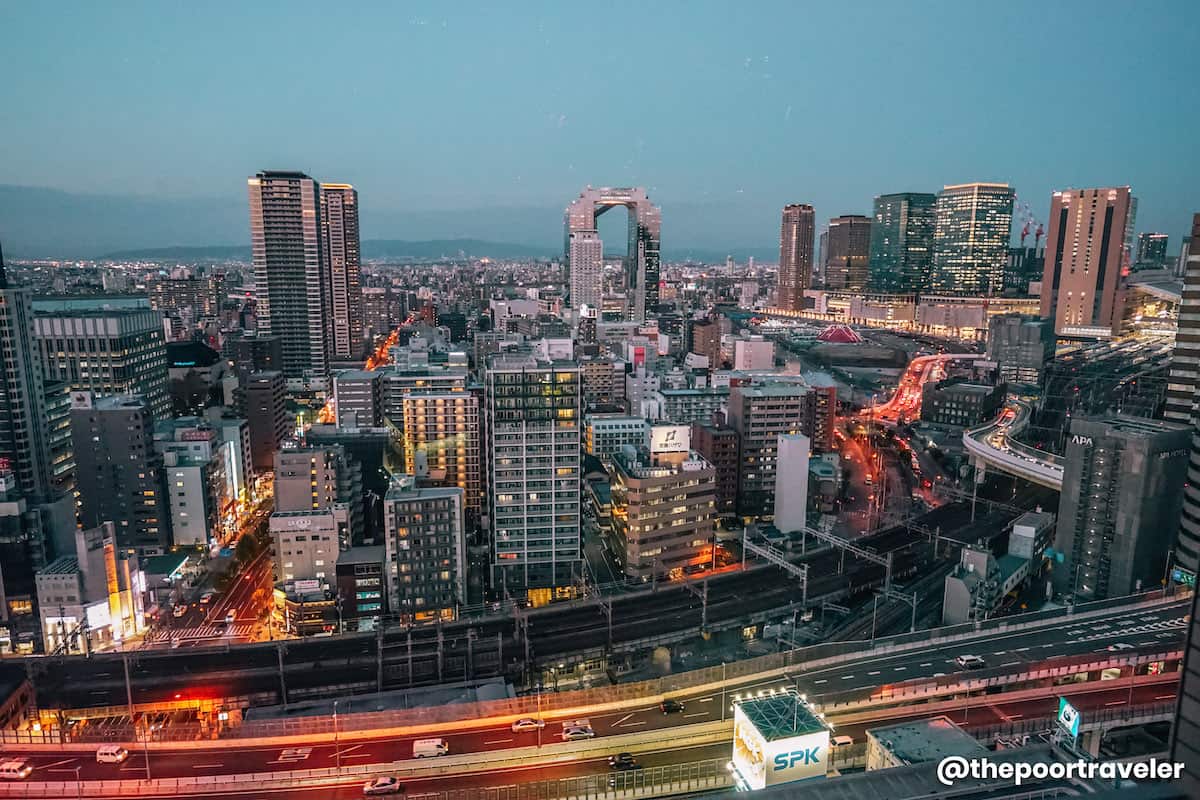
Whereas it’s not all the time potential to discover a place that’s proper subsequent to the whole lot, having a prepare station inside strolling distance can drastically simplify your journey expertise, whether or not you’re taking the prepare or hopping on a bus. It doesn’t must be very near the primary station. So long as it’s inside strolling distance, it’s good. Japan can also be identified for being very protected, so strolling even at evening is usually high quality.
That mentioned, you may be tempted to go for a less expensive lodging that’s farther from the station. Whereas this could prevent cash upfront, think about the additional price and time of transportation. The cash you save on a extra distant place may be offset by prepare or bus fares, and also you’ll additionally spend extra time commuting and strolling, which might drain your power. In these instances, it’s typically price it to spend a little bit extra on a spot that’s nearer to the station, because the comfort and time saved could make the marginally increased value worthwhile in the long term.
3. Touring With out Insurance coverage
Japan is likely one of the most secure international locations on the earth, with a low crime price, exceptionally well mannered individuals, and well-planned cities that make navigating city areas seamless. Nevertheless, security doesn’t imply immunity from surprising incidents. Nobody plans to get sick, have an accident, or lose their baggage, however this stuff can occur, and coping with them whereas touring may be worrying and expensive.

That’s why, regardless that journey insurance coverage isn’t necessary when visiting Japan, we extremely suggest getting one. It ensures that you just’re coated in case of medical emergencies, journey cancellations, misplaced baggage, or accidents, permitting you to get pleasure from a worry-free journey. Journey is unpredictable, and irrespective of how rigorously you propose, dangers are all the time current. We all know a number of vacationers who’ve encountered surprising sicknesses or accidents however didn’t have to fret about bills as a result of they have been insured.
So, whether or not you’re touring to Japan or every other vacation spot, investing in journey insurance coverage is all the time a good move. It’s a small value to pay for peace of thoughts and monetary safety whereas exploring the world.
For worldwide locations, think about PGA Sompo’s TravelJOY Plus insurance coverage. You possibly can GET IT HERE! Don’t overlook to make use of WORTHIT for a particular reasonably priced price.

4. Getting Confused About Vacationer Passes
Japan’s transportation business is extremely aggressive, with quite a few railway and bus corporations providing all kinds of passes. From city-specific and prefectural passes to regional and nationwide choices, every comes with its personal benefits and limitations. Choosing the proper one may be overwhelming, however deciding on essentially the most cost-effective cross relies upon solely in your itinerary.
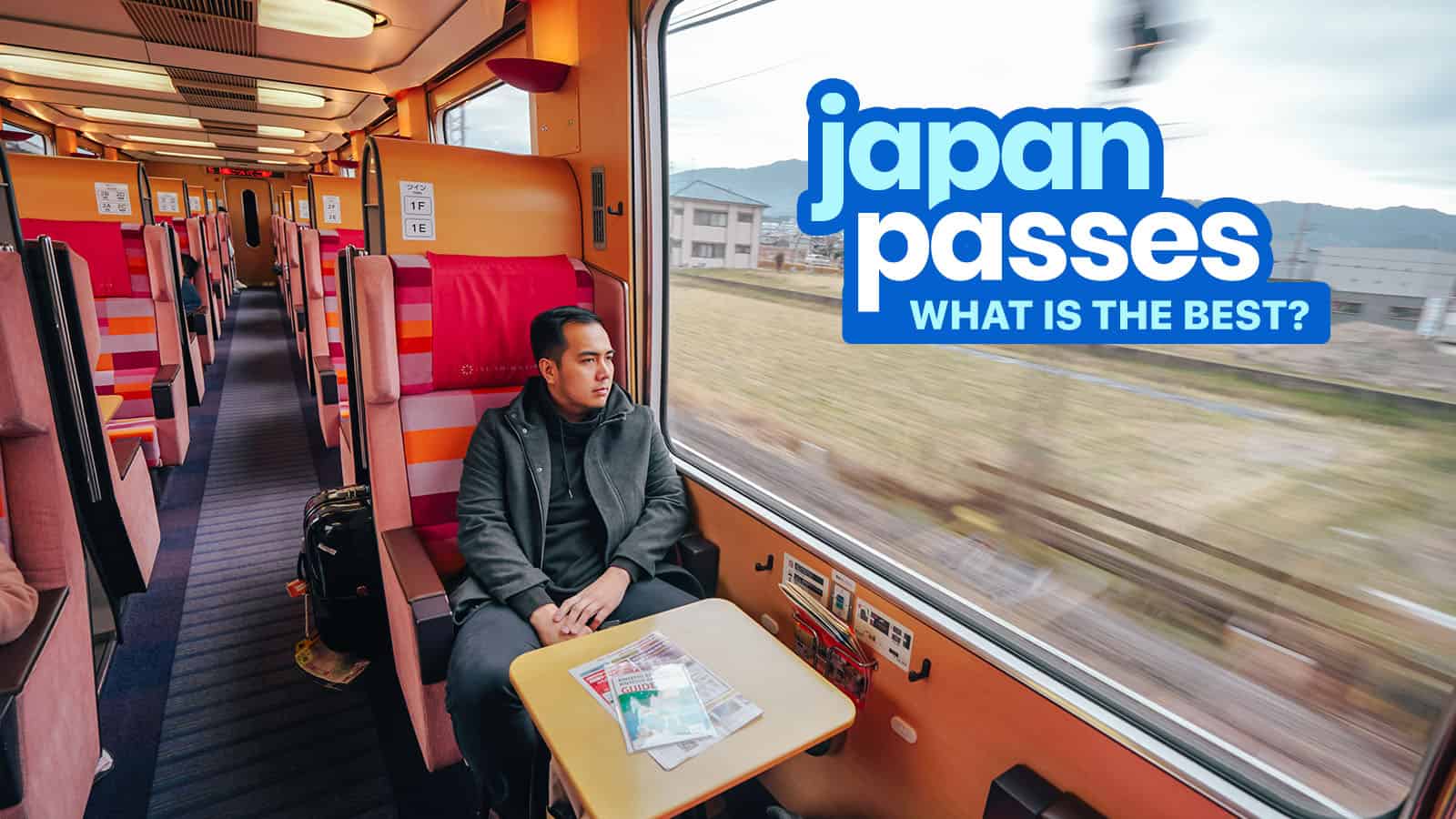
Probably the most well-known cross is the JR Nationwide Move, however a typical query we get is whether or not it’s truly price it. The quick reply? It will depend on your journey plans. Many individuals assume they want a JR Move, but when your journey entails only one or two close by cities, it’s typically not price it. The JR Nationwide Move gives the finest worth when your journey consists of a number of long-distance journeys. In case you’re solely touring between Tokyo and Yokohama or exploring Osaka, Kyoto, Nara, and Kobe, you received’t want a nationwide cross. In these instances, a regional cross is the higher choice.
Talking of regional passes, Kansai alone gives a staggering variety of decisions, together with the Osaka Wonderful Move (city-wide), Kansai-Via Move, Hankyu Move, Hanshin Move, Kintetsu Move, and JR Kansai Move. One of the best one for you will depend on your itinerary and which prepare strains you’ll use most frequently. In case you want an in depth breakdown of those passes, take a look at this text: JAPAN TRAIN & BUS PASSES.
Past Kansai, Chubu (Central Japan), Kyushu, and Tokyo even have their very own transportation passes, giving vacationers an abundance of choices. With so many decisions, it may be difficult to search out the very best match. However normally, there’s a regional or metropolis cross that shall be extra helpful than a nationwide JR Move. Earlier than buying any cross, all the time examine costs with particular person tickets and select the one which finest matches your deliberate routes!
5. Sticking to Trains
Many vacationers, particularly Filipinos, are simply amazed by Japan’s trains — and for good purpose. The Shinkansen or bullet prepare is an engineering marvel, providing a clean, quick, and environment friendly method to journey. Plus, with Japan’s intensive railway community, it’s straightforward to default to trains as the first mode of transportation. Nevertheless, prepare fares — particularly for bullet trains — may be fairly costly, significantly when you don’t have a rail cross.
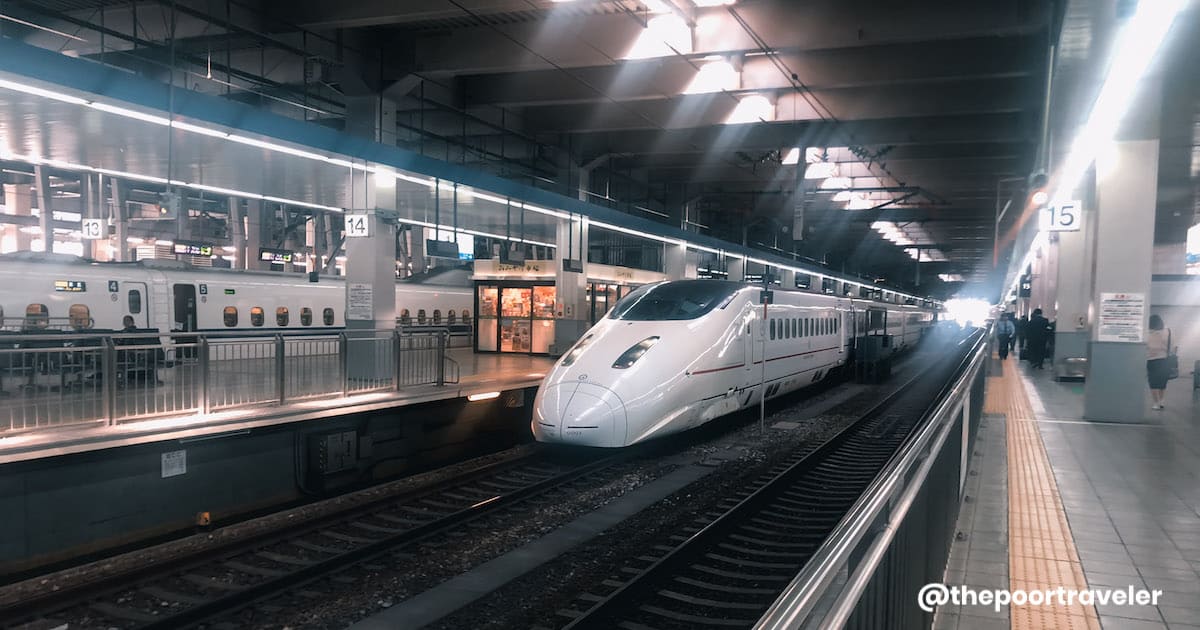
In case you’re on a funds, buses are an incredible different price contemplating. For instance, when touring between Fukuoka and Hiroshima, a bus ticket is considerably cheaper than a Shinkansen fare. Sure, the journey time is longer, however the financial savings may be substantial.
For longer journeys, in a single day buses provide much more advantages. First, the fare is less expensive than taking a prepare. Second, since you’re sleeping on the bus, you save on one evening of lodging, which is a giant deal contemplating how costly accommodations in Japan may be. Third, some locations in Japan are not accessible by prepare, however buses can take you there conveniently. And don’t fear — the buses in Japan are clear, quiet, and comfy.
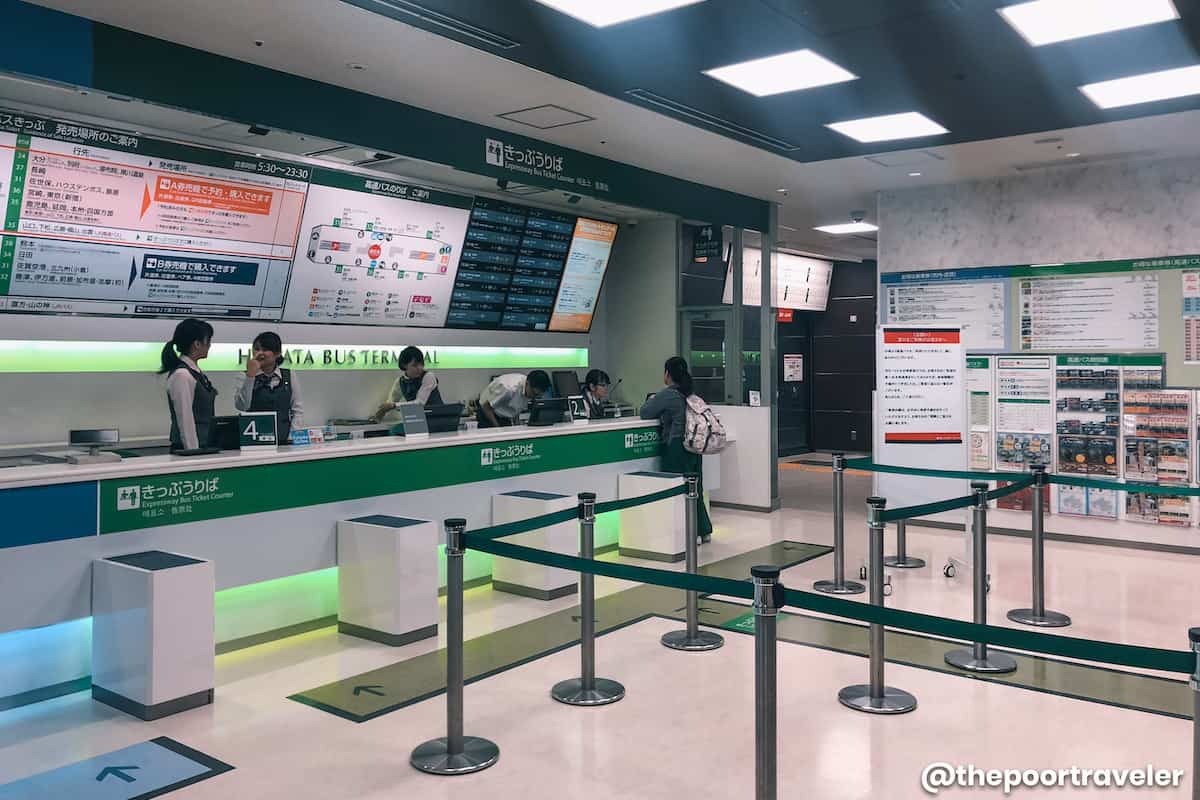
After all, in a single day buses aren’t for everybody. In case you’re touring with children or desire a extra relaxed journey, it may not be the best choice. However when you’re bodily in a position and don’t thoughts sleeping on a bus, it can save you rather a lot whereas nonetheless exploring Japan effectively!
6. Consuming Out All of the Time
One of many greatest bills when touring is meals. Whereas we completely encourage you to strive native eating places and immerse your self in Japan’s superb meals scene, consuming out on a regular basis isn’t essentially the most budget-friendly choice.
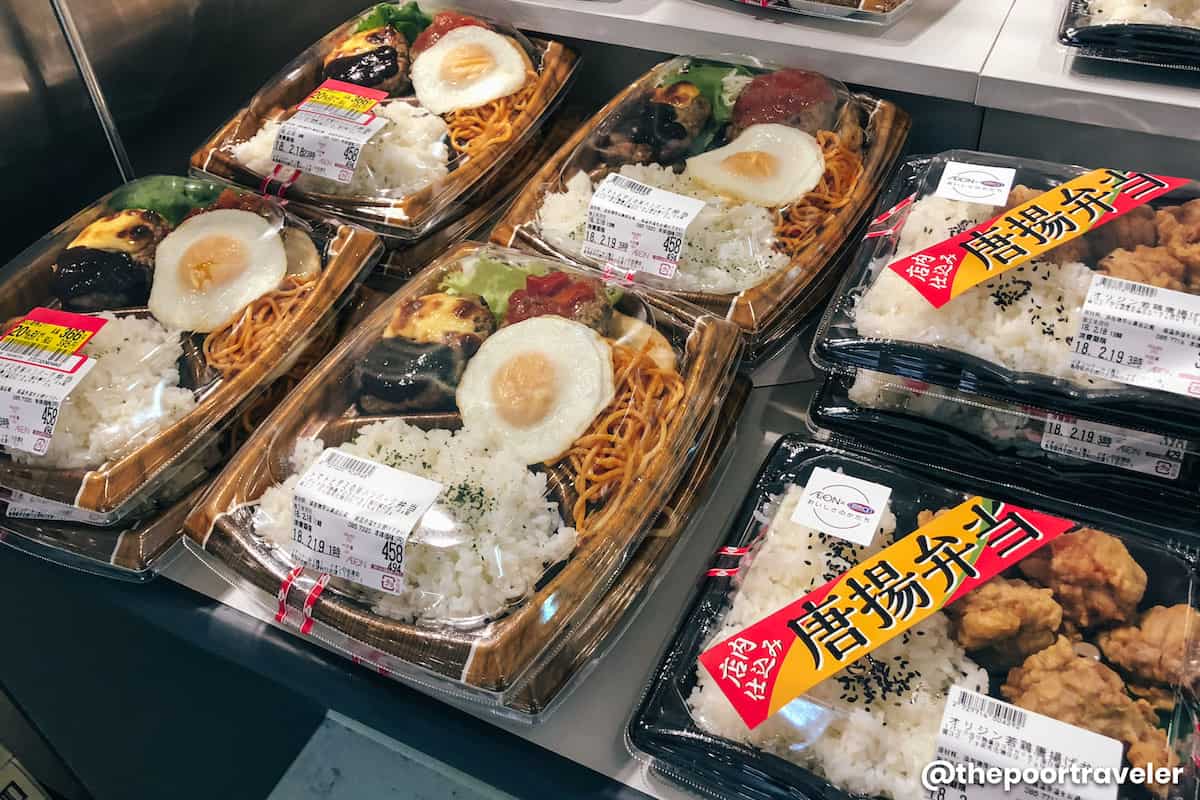
Once we go to Japan, we attempt to strike a steadiness between consuming at good eating places and saving cash by shopping for meals from supermarkets. Japanese supermarkets are an incredible place to discover, particularly when you love Japanese meals merchandise. However extra importantly, lots of them promote pre-cooked or ready-to-eat meals at a a lot lower cost than eating places — and even comfort shops!
TIP! Go to the grocery store round 7 PM or 8 PM, simply earlier than closing time. Many supermarkets low cost their remaining ready-to-eat meals, generally by as much as 75%, simply to promote out their inventory. In case your lodging is close to a grocery store, this generally is a enormous money-saver!
After all, this doesn’t imply you shouldn’t eat at eating places. You positively ought to! Japan has loads of reasonably priced choices, together with random ramen retailers, so that you don’t all the time have to interrupt the financial institution to get pleasure from good meals.
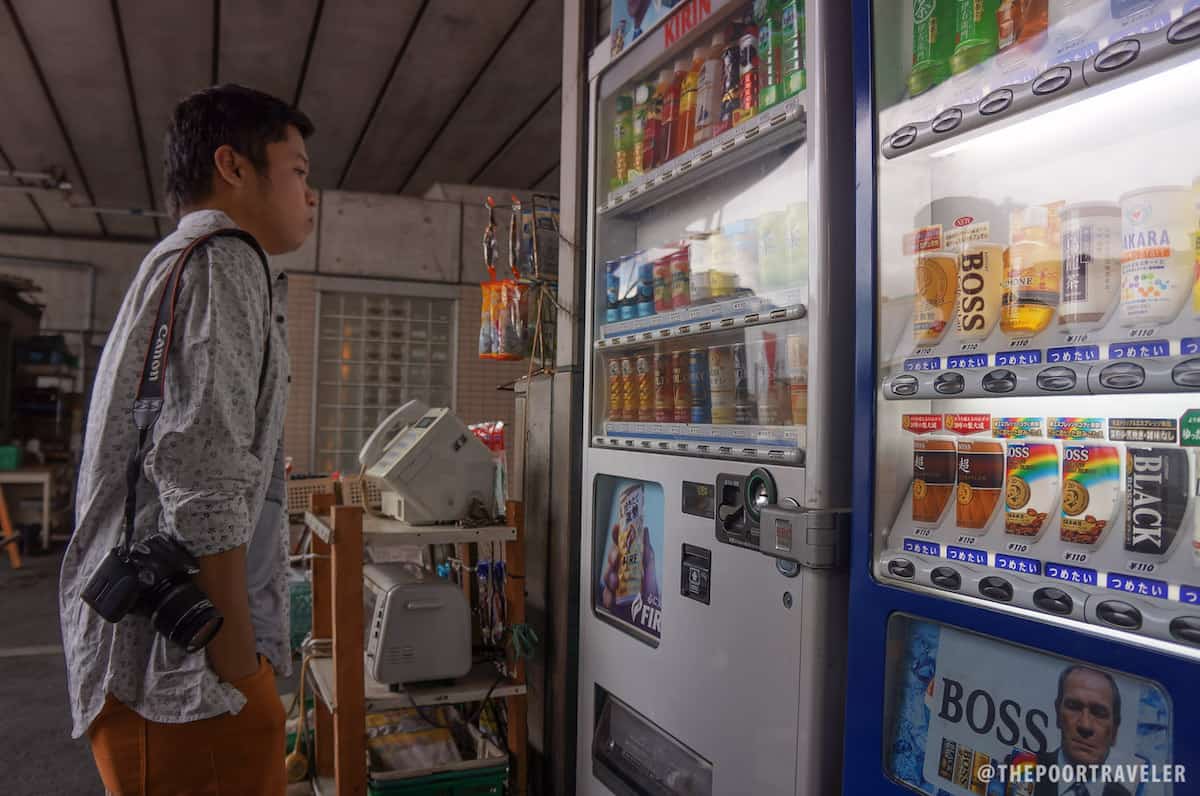
One very last thing: Japan is filled with merchandising machines. You’ll discover them on each road nook, providing a fast and handy method to seize drinks or snacks. However as tempting as they’re, shopping for from merchandising machines on a regular basis provides up. Supermarkets and even comfort shops normally promote the identical drinks at a lower cost. So when you’re on a funds, attempt to restrict your merchandising machine purchases!
7. Leaving Passport on the Resort
Do you know that international vacationers can get pleasure from huge reductions when procuring in licensed tax-free retailers in Japan? Simply search for the “Tax-Free” signal or emblem! In case your one-time buy is at the very least ¥5000, you don’t must pay the tax.
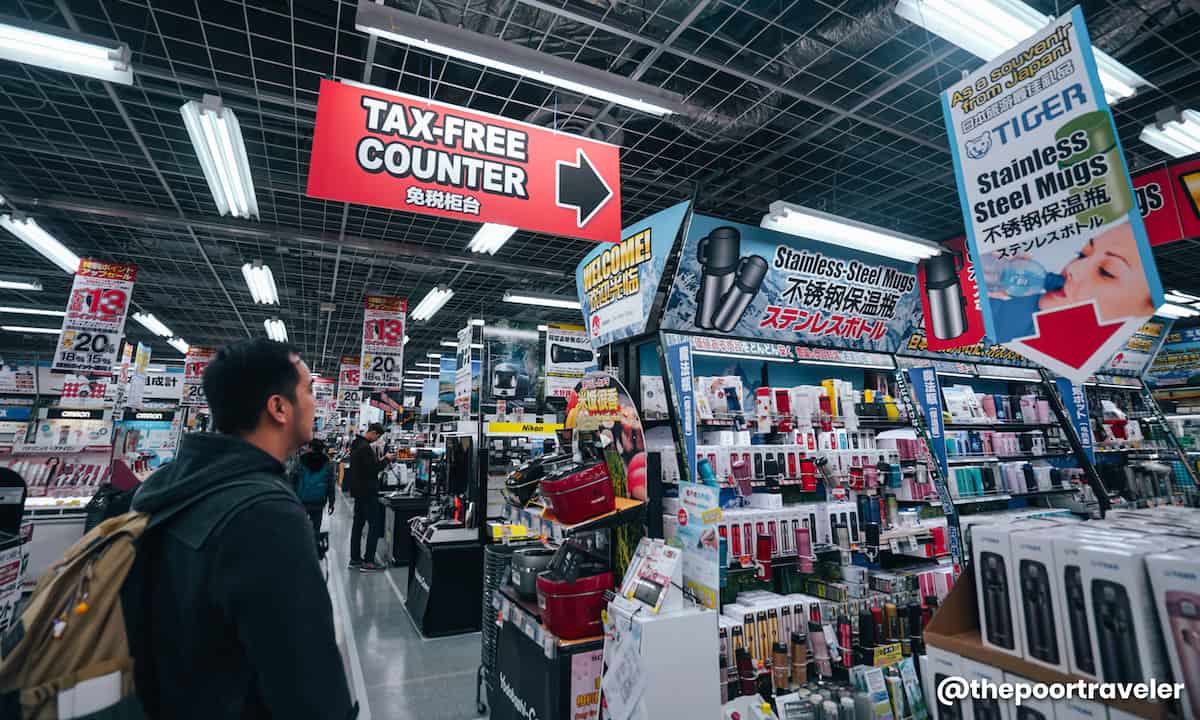
Some shops, like Don Quijote, have devoted tax-free counters the place you may course of your buy with out tax. REMINDER! You have to current your passport at checkout. In case you overlook it, they received’t honor the tax-free low cost, so all the time deliver it with you when procuring. After processing, the shop will connect a receipt to your passport, which can later be collected on the airport earlier than you undergo Immigration when leaving Japan.
That mentioned, if in case you have the funds, don’t maintain again on experiencing the very best of Japan! Whether or not it’s a elaborate sushi dinner, a ski journey to a snow resort, or a calming dip in an onsen, go for it! These experiences are distinctive to Japan, and indulging in them isn’t simply rewarding but additionally a good way to assist the native economic system.
Japan Dos and Don’ts
The Japanese are generally known as a number of the most well mannered and useful individuals on the earth, typically going out of their method to help vacationers. As guests, it’s solely proper that we present the identical respect by studying and following their customs. In Japan, many unwritten guidelines form on a regular basis life — guidelines that each locals and vacationers are anticipated to comply with. The extra acquainted you’re with these cultural nuances, the smoother and extra rewarding your journey shall be.
We’re additionally itemizing down some frequent fake pas or social slip-ups that many vacationers unknowingly commit. Whereas these aren’t unlawful — and it’s extremely unlikely that you just’ll be thrown in jail for them — they will depart a poor impression. So, understanding what to keep away from can go a good distance in serving to you join respectfully with locals and totally get pleasure from your journey.
8. Speaking Loudly on Public Transport
Japan’s public transportation system will not be solely environment friendly and dependable but additionally remarkably quiet. Whether or not you’re on a prepare or a bus, it’s necessary to maintain noise to a minimal. Whereas it’s okay to speak together with your journey companions, ensure that your voice is low and respectful. Different passengers don’t want to listen to your dialog.
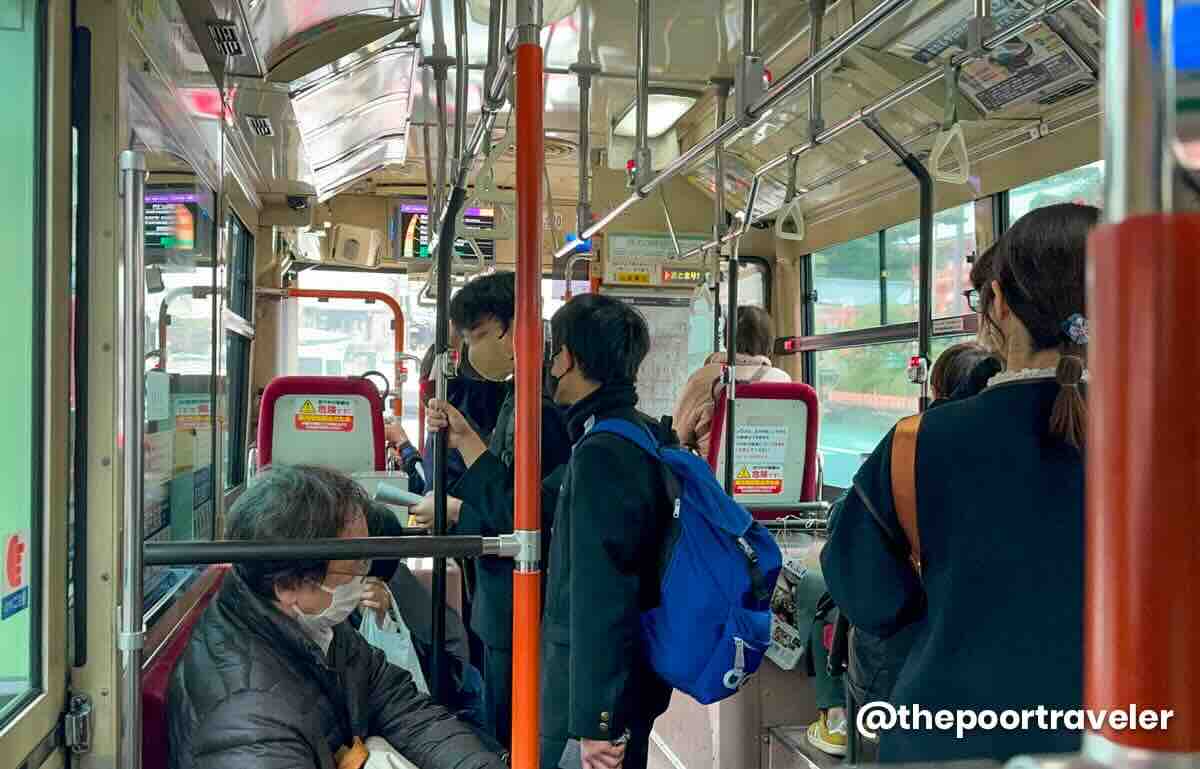
One factor you must completely keep away from is speaking on the telephone whereas commuting. In Japan, many locals use their journey time to relaxation or unwind, particularly due to the nation’s demanding work tradition. As vacationers, it’s important to respect this unwritten rule and assist preserve the peaceable ambiance.
9. Ignoring Escalator & Elevator Etiquette
Japan has many unwritten guidelines relating to utilizing escalators and elevators, and as vacationers, it’s good to comply with native etiquette to keep away from pointless disruptions.
In most of Japan, together with Tokyo, individuals stand on the LEFT aspect of the escalator and depart the precise aspect open for individuals who need to stroll or overtake. Nevertheless, Osaka and most of Kansai do it the other approach — you stand on the RIGHT aspect, and folks stroll on the left.
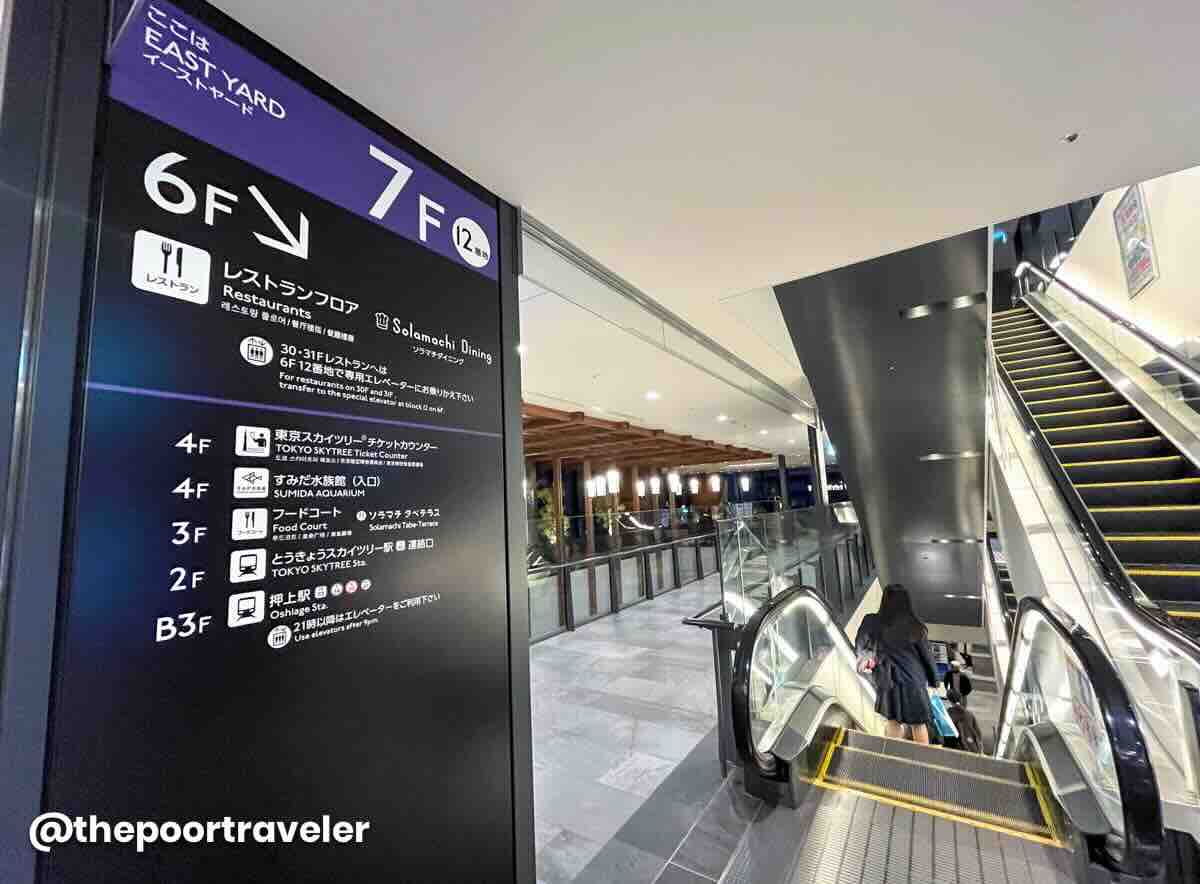
Why the distinction? In keeping with a nikkei.com article, through the Osaka Expo in 1970, they adopted the worldwide commonplace of standing on the precise. Nevertheless, lots of people additionally query whether or not that is the true purpose.
However simply keep in mind, for many of Kansai Area, you stand on the precise of the escalator. That features Osaka, Kobe, Nara, Wakayama, and extra. Nevertheless, Kyoto is an exception, as a result of apparently, the locals desire to face on the LEFT. However when you’re there, you’ll discover that each left and proper standing may be seen, probably as a result of excessive variety of vacationers. To be protected, simply observe the individuals round you and comply with what they’re doing.
Some cities, like Nagoya and Saitama, have truly began banning strolling on escalators as a result of security issues. Extra locations could comply with go well with sooner or later. Nevertheless, because it takes time for individuals to regulate, you would possibly nonetheless see individuals strolling on escalators in these areas.
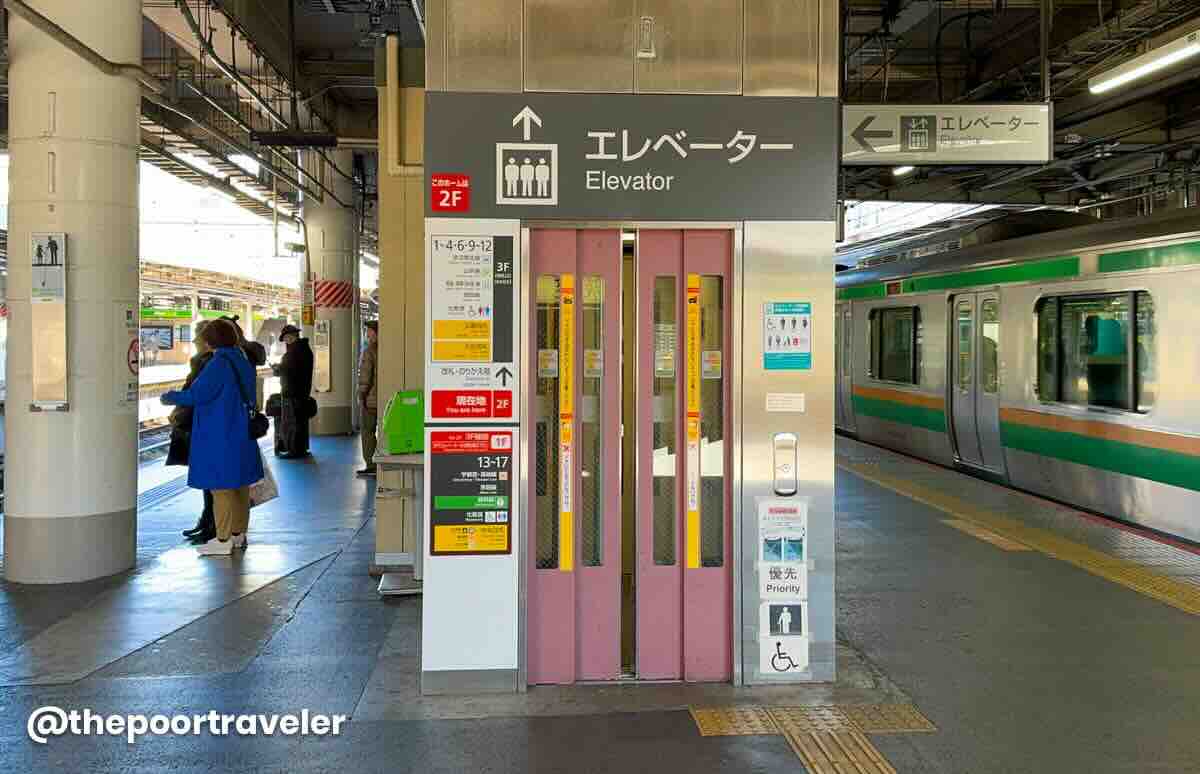
Japan additionally has unstated guidelines for utilizing elevators. First, give precedence to PWDs or Individuals with Disabilities. In case you’re not carrying something heavy and are in a position, think about using the steps as an alternative. Second, maintain the door. In case you’re standing subsequent to the management panel, you’re anticipated to press the buttons for others and maintain the door open. And if everyone seems to be getting off on the similar ground, you must exit final after holding the door for others.
These small gestures are a part of Japan’s tradition of respect and consideration, which makes public areas extra environment friendly and nice for everybody!
10. Blocking Devoted Pathways
Strolling round Japan is such a enjoyable expertise! The streets are clear, the environment are peaceable, and there’s all the time one thing fascinating to see. Typically, even when we will take the prepare, we select to stroll as a result of it simply makes us blissful. However when you plan on exploring on foot, there are some things you must know.
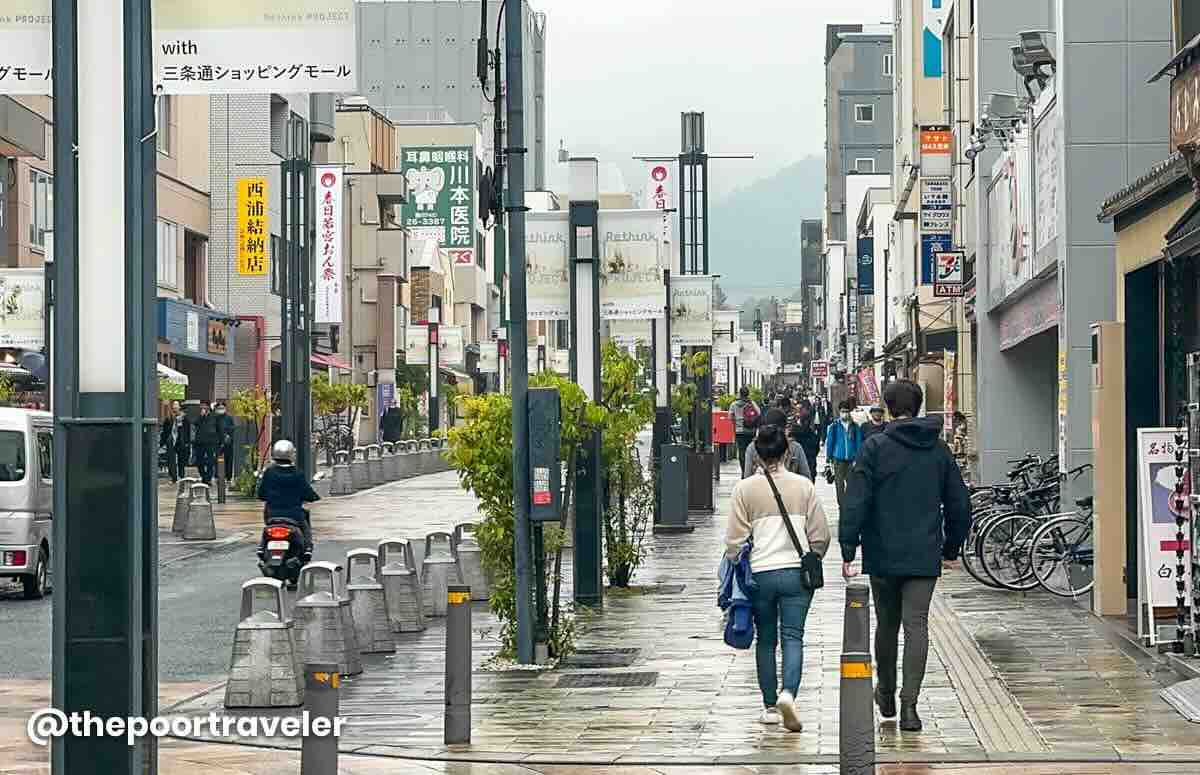
First, take note of the sidewalk indicators. In lots of locations, there are designated lanes for pedestrians and cyclists, so be sure to’re strolling on the right aspect. In case you ever hear a small bell ringing, that’s a bike owner politely asking you to step apart — there received’t be any loud honking right here! Additionally, when you’re new to the world, strive to not put on earphones whereas strolling. They could forestall you from listening to necessary alerts like bike bells.
You’ll additionally discover yellow, textured pathways on sidewalks, stairs, crossings, and prepare platforms. These are known as Tenji blocks, they usually assist visually impaired people navigate the world. Simply be aware to not block these paths!
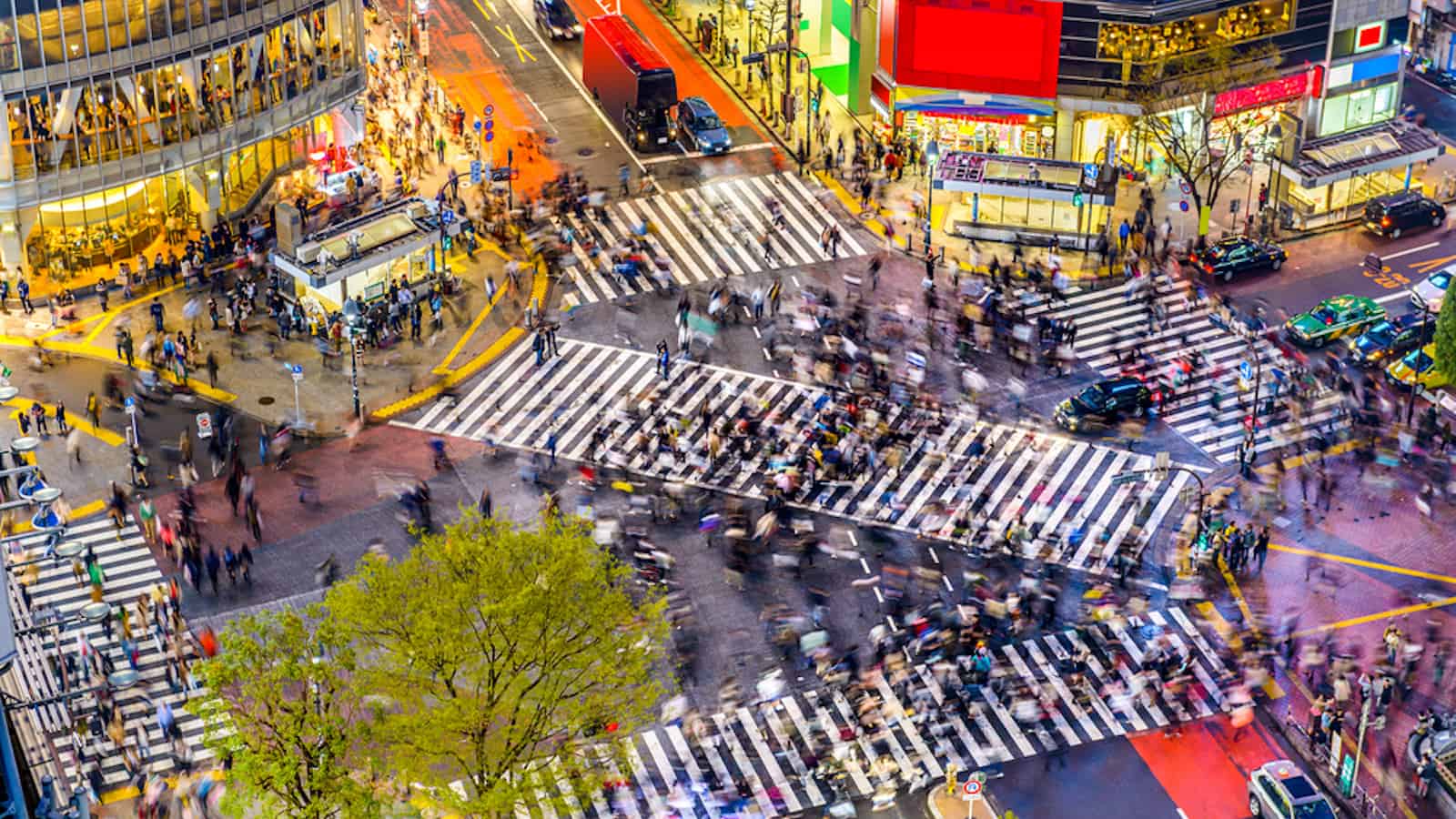
At pedestrian crossings, you would possibly hear a bird-like sound coming from the cease lights. It begins gradual and quickens as time runs out to cross. That is tremendous useful for visually impaired people, nevertheless it’s additionally a good way to remind your self when it’s worthwhile to hurry up!
Japan’s infrastructure is designed to be environment friendly and accessible for everybody, making strolling not simply straightforward but additionally a tremendous method to expertise the nation. So go forward, take a stroll, and revel in each step of your journey, however all the time ensure that to be thoughtful of others too.
11. Consuming Whereas Strolling
Consuming in public areas isn’t unlawful in Japan, however consuming whereas strolling? That’s a giant no-no. It’s simply not a part of the tradition. In case you seize a snack from a comfort retailer, the very best factor to do is eat it whilst you’re nonetheless within the space, both inside the shop or simply exterior, so long as you’re not on the transfer. In case you’re at a park, discover a bench and take your time. And when you purchase a drink from a merchandising machine, it’s frequent observe to drink it proper there subsequent to the machine as an alternative of sipping whereas strolling.
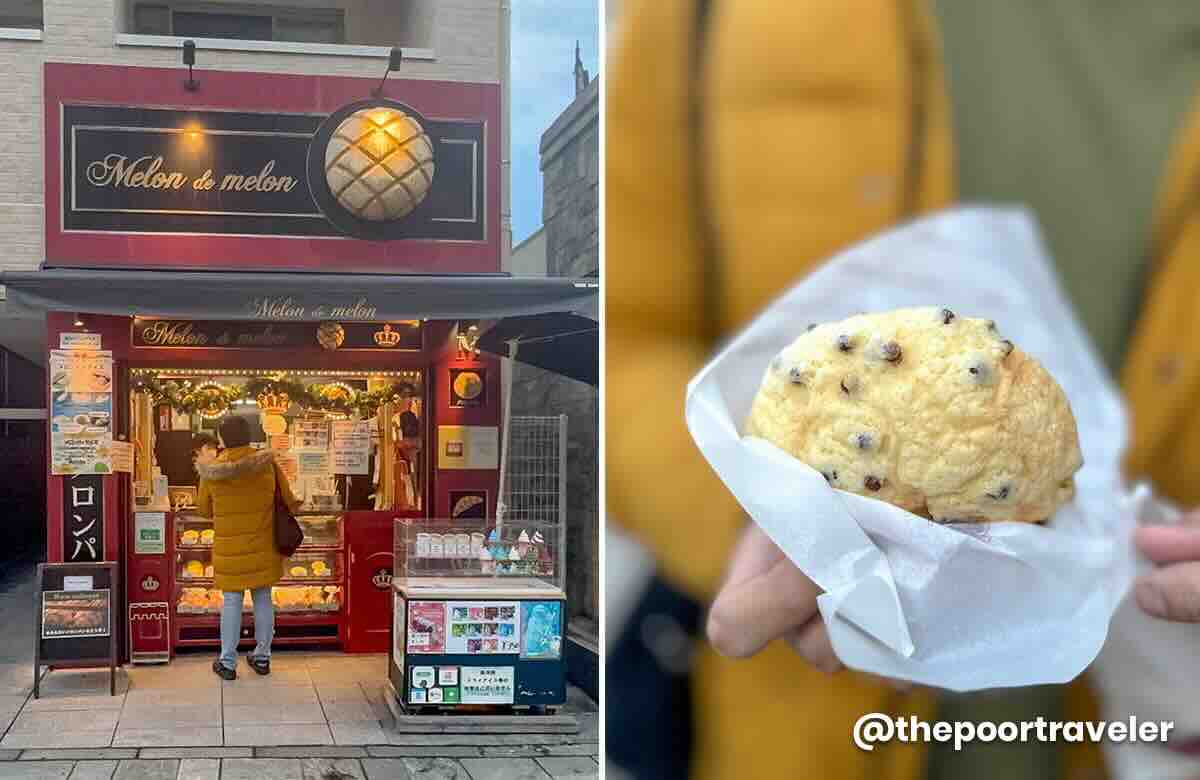
There are some sensible causes for this, like avoiding spills and holding the streets clear, however there’s additionally a cultural aspect to it. A Japanese tour information as soon as informed us, “In case you eat, simply eat. Respect your meals.” They take meals significantly, they usually imagine you need to be current within the second whereas consuming. Truthfully, it makes quite a lot of sense since you get pleasure from your meals extra if you’re not distracted. So subsequent time you seize a chew in Japan, take a second, discover a spot, and actually savor it!
12. Miscalculating Meals Serving Dimension
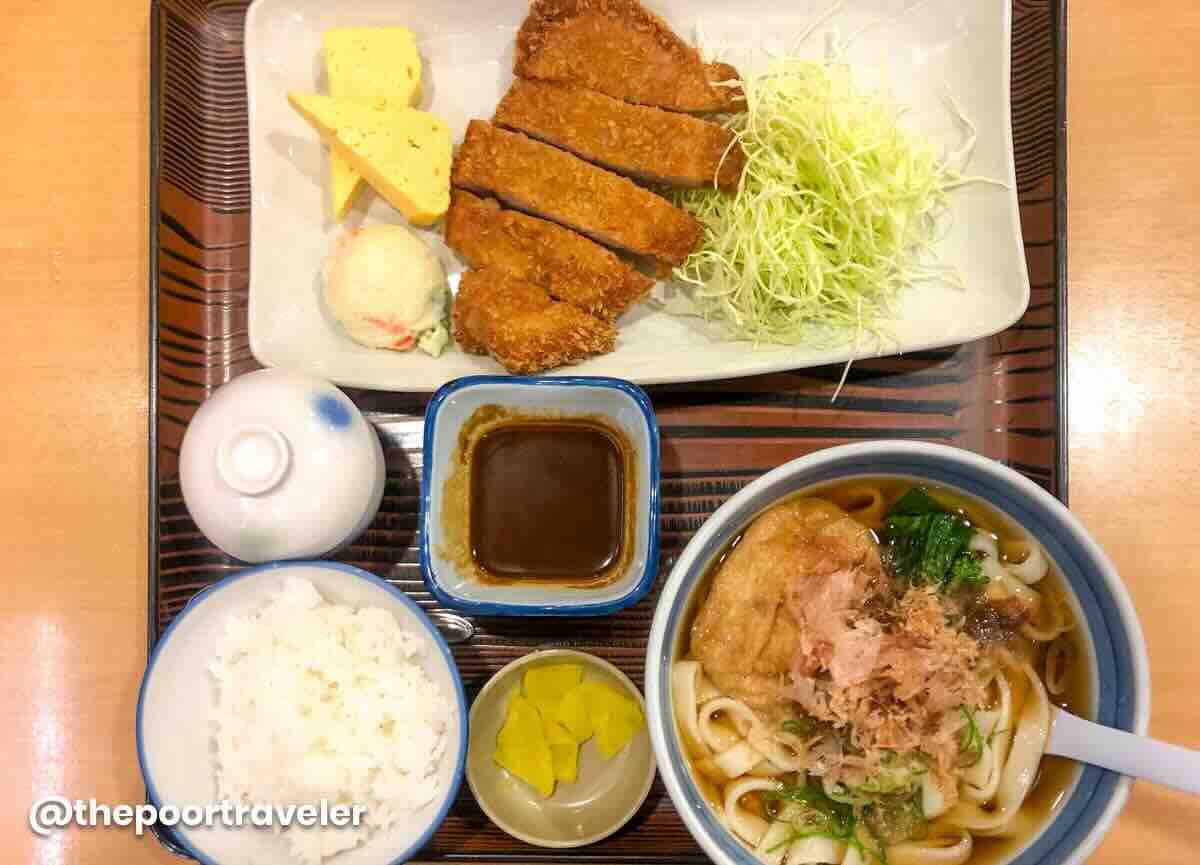
Somebody as soon as requested us if it’s okay to depart leftovers when consuming out in Japan or if it’s thought of impolite. The quick reply? It’s finest to keep away from it. Losing meals is usually frowned upon wherever, however in Japan, meals is deeply revered, together with the individuals who put together it. If a neighborhood invitations you to their dwelling for a meal, ending the whole lot in your plate is a should. Leaving meals behind would possibly make your host assume you didn’t get pleasure from it.
In case you’re eating at a small, family-run ramen store, a mom-and-pop restaurant, or a sushi bar — particularly if the chef prepares your meal proper in entrance of you — leaving leftovers is taken into account rude. The one exception? Ramen broth. It’s fairly regular for individuals to depart some soup behind.
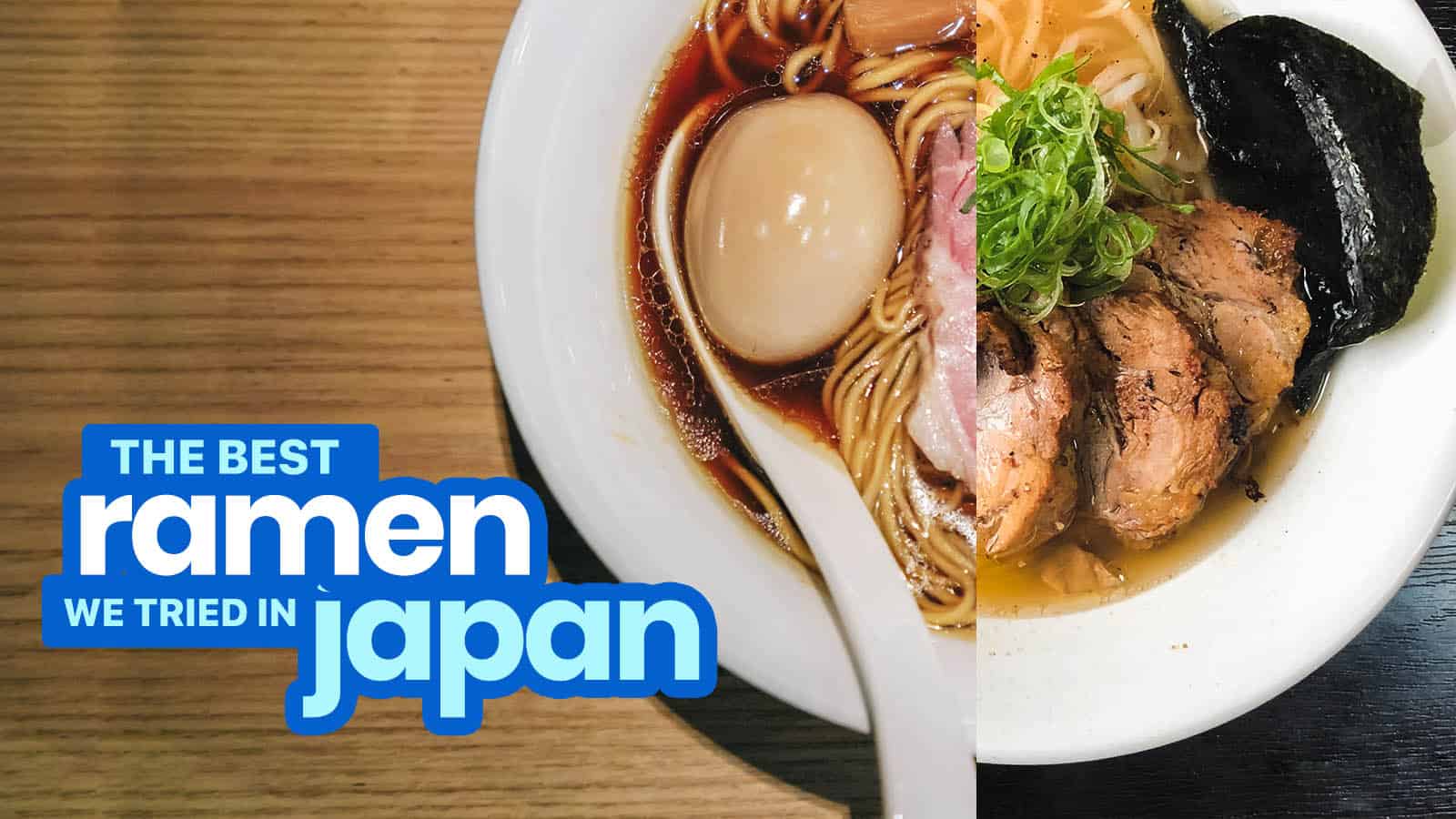
At meals courts or quick meals locations, no person will name you out when you don’t end your meal, nevertheless it’s nonetheless finest to keep away from losing meals. We get it: generally it’s arduous to gauge portion sizes in a unique nation. In Japan, although, sure dishes have a tendency to return in huge servings by default. Ramen is all the time a hefty bowl, okonomiyaki is normally giant and nice for sharing, and donburi (rice bowls) typically have quite a lot of rice, even when the toppings don’t appear to be a lot. Some meals even include surprising aspect dishes.
That mentioned, parts in Japan aren’t all the time enormous. They’ll truly be smaller in comparison with Western international locations. It actually will depend on the dish and the restaurant. So when unsure, simply ask! In case you’re feeling shy, the most secure strategy is to imagine the serving measurement is huge. You possibly can all the time order extra if wanted, however leaving meals behind can really feel disrespectful to the one that cooked it, particularly in smaller eateries. Higher to play it protected and order additional later than threat losing meals!
13. Holding Sneakers on at Sure Websites
One factor you’ll discover whereas exploring Japan is how a lot the tradition values cleanliness. It’s a reasonably large deal right here, and it extends to the straightforward act of taking off your sneakers when coming into sure locations. Positive, in most accommodations and eating places, you’re high quality holding your sneakers on, however there are positively locations the place you’ll want to depart them on the door.
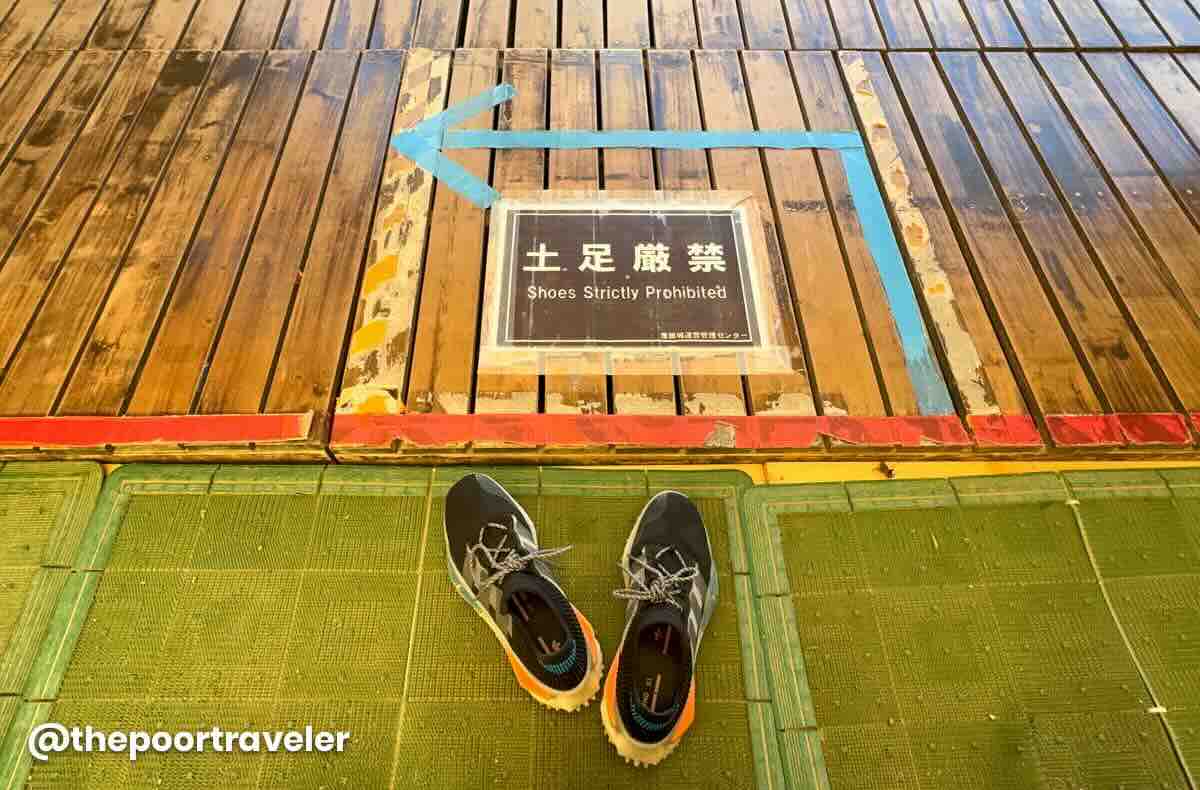
Temples and authentic castles are prime examples. Once you go to these spots, you’ll normally discover an space devoted to shoe removing. Typically, there’s a shoe cupboard the place you may retailer them whilst you discover, or in some instances, they’ll even provide you with a plastic bag to hold your sneakers round with you.
Conventional eating places even have this rule, as do some church buildings. So, if you’re touring round Japan, be prepared for that second if you’ll have to slide off your sneakers. So ensure that your socks are as much as the duty — nothing too previous, no holes, and positively no funky smells! LOL
14. Entering into an Onsen Proper Away
Probably the most stress-free and distinctive experiences you may have in Japan is soaking in an onsen, however there are some things you must know earlier than diving in.
First, if in case you have tattoos, you would possibly hit a small roadblock. Historically, tattoos carry a stigma in Japan, and plenty of onsens don’t enable them. Nevertheless, there are tattoo-friendly onsens in a number of cities, so simply perform a little analysis on-line. Typically, small tattoos are okay, however when unsure, it’s all the time finest to ask the workers beforehand.
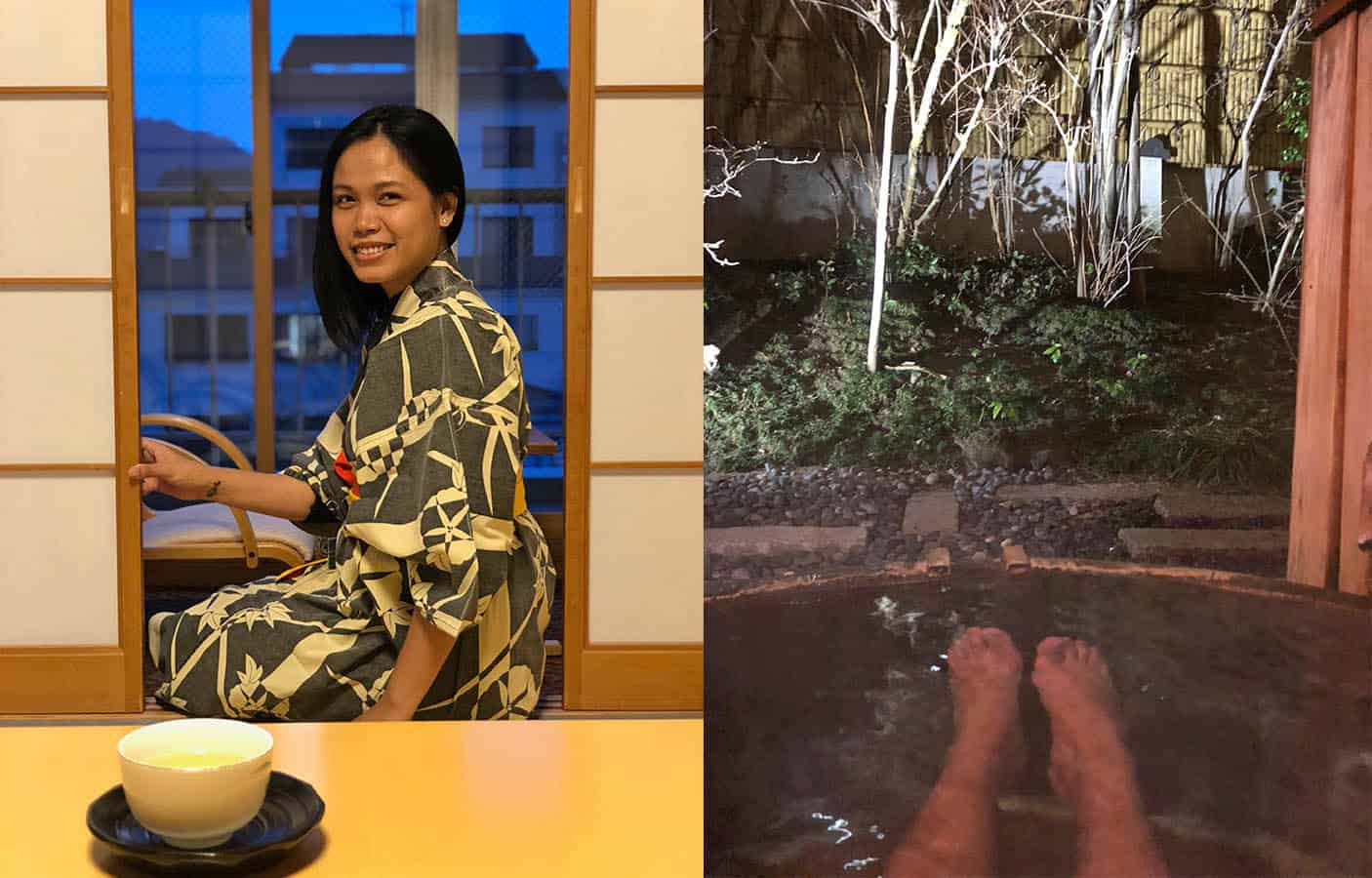
On the subject of the kind of onsen, there are two essential choices: public and personal. For each, you’ll have to get snug with the concept of being utterly bare. Sure, all clothes — swimsuits, trunks, something — is a no-go. However don’t fear, the areas for women and men are separate, and actually, nobody shall be gazing you. Persons are simply there to calm down. Nevertheless, when you’re not able to strip down in entrance of strangers, a non-public onsen in a ryokan or a conventional inn may be a better option.
In case you select to go to a public onsen, there are some necessary guidelines to comply with. First, ensure that to wash your self totally earlier than dipping in. Most onsens present bathe areas with handheld bathe heads. The secret’s to be clear earlier than soaking!
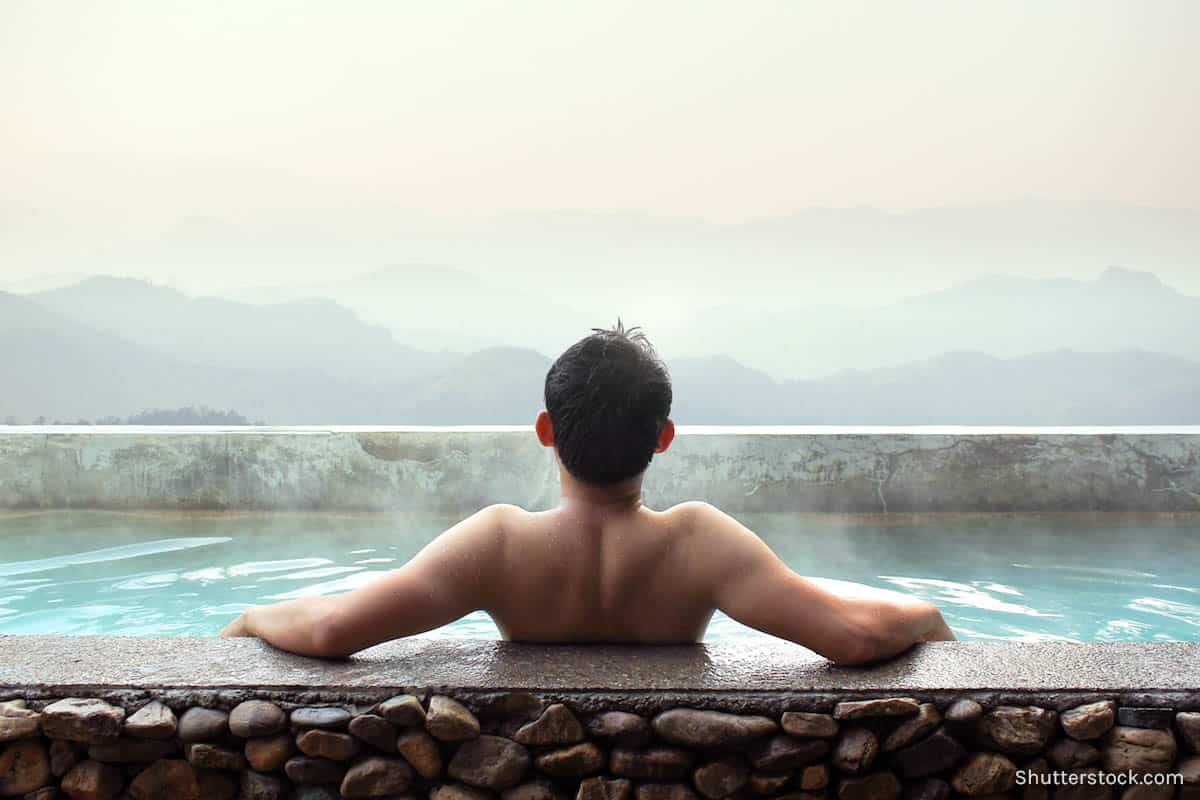
Second, keep in mind that onsens are all about leisure. Hold the noise degree down, and don’t splash the water round. It’s not a swimming pool, so keep away from any type of swimming or vigorous exercise. Third, whereas it’s frequent to deliver a small towel with you, ensure that it doesn’t contact the water. Some individuals like to put it on their head, nevertheless it shouldn’t be moist or wrung out within the water.
Lastly, after you’re accomplished soaking, be sure you wipe off any extra water earlier than heading again to the locker room. This retains issues clear for everybody else. Get pleasure from your onsen expertise, and simply keep in mind: it’s all about leisure and respecting the area!
15. Tardiness
Being punctual in Japan is extraordinarily necessary, and it’s one thing that’s ingrained within the tradition. We all know it may be straightforward to run late, however particularly in Japan, the place the whole lot operates with impeccable precision, being late is a giant no-no. We’ve even skilled a state of affairs the place a prepare was delayed, and the workers personally apologized to each single passenger, one after the other. Not simply over the intercom, however head to head.
In case you’re becoming a member of a bunch tour, exhibiting up on time is essential. Once you’re a part of a bunch, it’s not nearly you— different individuals are relying on you. Meaning you must all the time concentrate on the assembly occasions, particularly relating to getting again to the bus or group rendezvous factors. In case you trigger a delay, don’t be shocked if the information calls you out. We’ve seen it occur. As soon as, somebody was simply 5 minutes late, and it was an enormous deal. The information and the remainder of the group have been visibly pissed off. Fortunately, we’ve managed to keep away from such conditions, even after late nights!
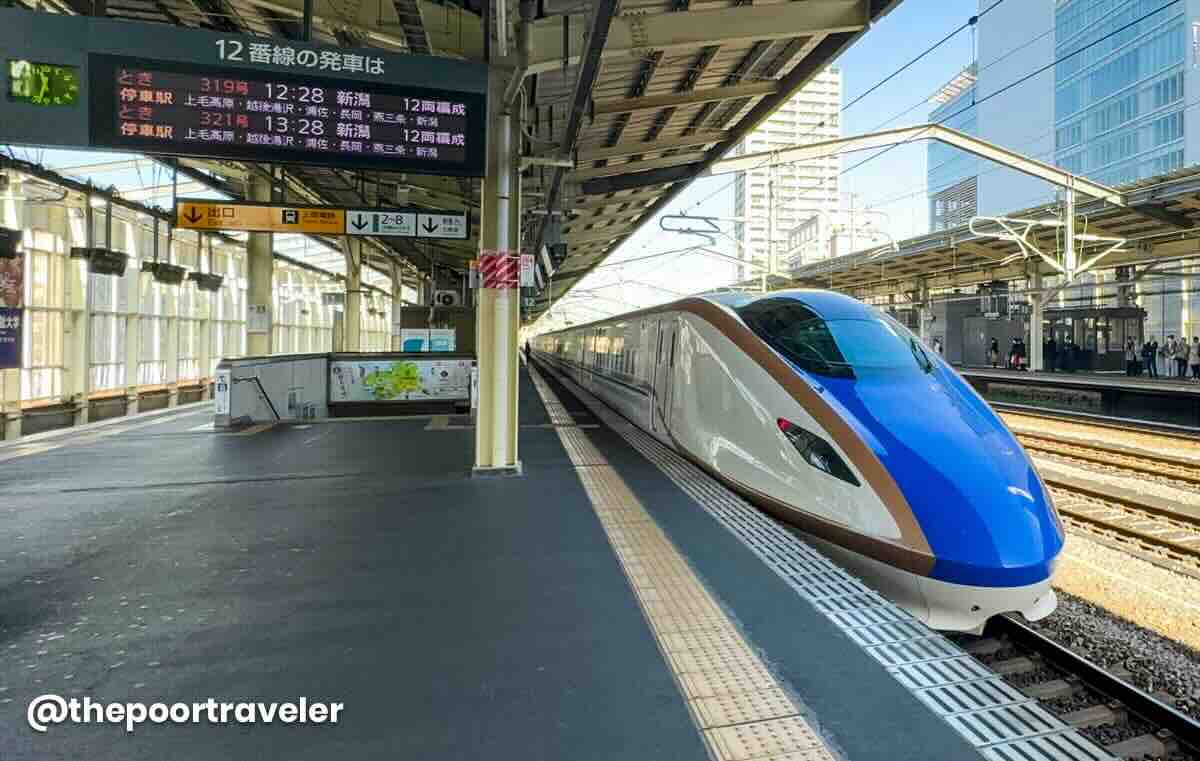
Once you’re touring by yourself, it’s a bit extra relaxed, however there are nonetheless some issues to contemplate. First, keep in mind the time schedules for public transportation, significantly for bullet trains with reserved seats. In case you miss your scheduled prepare, you’ll probably must rebook and lose money and time — and nobody needs that. Additionally, some sights are a bit removed from town heart, and buses could solely run on an hourly schedule. Miss your bus, and also you’ll be caught ready for one more hour, which might throw off your plans.
One other factor to bear in mind is that many locations shut earlier through the winter months, so when you arrive too late, you might miss out on some alternatives. Additionally, when visiting common picture spots, be thoughtful of others. Don’t hog the proper shot and provides different guests an opportunity. The identical goes for onsens and resort checkouts. In case you’ve booked a non-public onsen, ensure that to present up on time and don’t overstay your reservation. And relating to accommodations, be sure you take a look at on time to permit housekeeping sufficient time to organize for the following visitors.
Being aware of time will aid you profit from your journey and hold the whole lot working easily!
Updates Log
2025 5 3 – First uploaded
[ad_2]