
[ad_1]
Do you discover the idea of utilizing a quick shutter velocity bewildering? You’re not alone. Figuring out the suitable shutter velocity is usually a difficult process for a lot of photographers, notably after they’re out within the subject confronted with the necessity to make fast choices.

However concern not, as a result of, with the suitable steering, shutter velocity turns into surprisingly simple. This text is your key to unraveling the secrets and techniques of quick shutter velocity, making them accessible to photographers of all ranges.
Let’s get began.
What Is a Quick Shutter Velocity?
Quick shutter speeds are sometimes outlined as these with a comparatively excessive fraction of a second, corresponding to 1/400s or 1/500s. These high-speed settings are important when photographing fast-paced topics, whether or not it’s sports activities, wildlife, or any situation the place you wish to freeze split-second actions and be certain that they seem crisp and clear within the {photograph}.
The selection of a quick shutter velocity relies on the velocity of the topic and the extent of motion concerned. Utilizing a quick shutter velocity permits you to seize these high-speed moments with precision and readability, making it a basic software in motion images.
What’s Shutter Velocity?
Shutter velocity is a basic facet of images that performs an important function in capturing pictures. At its core, it includes controlling the length for which the digicam’s sensor or movie is uncovered to mild once you take {a photograph}. This length is decided by the opening and shutting of the digicam’s shutter mechanism, and it has a profound impression on the ultimate picture.
Mechanical Shutter
The mechanical shutter is a key part in most conventional cameras. It sometimes consists of two curtains or blades. Whenever you press the shutter button, the primary curtain opens, exposing the digicam’s sensor to incoming mild. As soon as the specified publicity time has elapsed, the second curtain closes, blocking additional mild from reaching the sensor.
Shutter Velocity and Publicity
Shutter velocity is immediately related to the publicity of a picture. In images, publicity refers back to the quantity of sunshine that strikes the digicam’s sensor. The connection is easy: an extended shutter velocity leads to a larger quantity of sunshine hitting the sensor, resulting in a brighter picture. Conversely, a shorter shutter velocity permits much less mild to succeed in the sensor, leading to a darker picture.
Shutter velocity is measured in seconds and fractions of a second, with values corresponding to
1/2s, 1s, 1/20s, 1/200s, 1/500s, 1/1000s, 1/4000s, and many others.
When adjusting shutter velocity, every change represents a major alteration within the publicity worth.
By doubling or halving the shutter velocity you’re altering the publicity worth by an element of two or 1-stop, considerably impacting the general brightness of the picture.
Capturing Movement with Shutter Velocity
One other key operate of shutter velocity is to manage the best way movement is captured in {a photograph}.
A quick shutter velocity, corresponding to 1/1000s or 1/500s, freezes fast-moving topics in motion images, guaranteeing that they seem sharp and with out movement blur.
Alternatively, a slower shutter velocity, like 1/20s or 1s, can introduce movement blur and convey a way of motion within the picture. This system is usually used for inventive functions, corresponding to capturing the move of water or the streaking lights of shifting automobiles.
Understanding learn how to successfully use shutter velocity is important for photographers, because it permits them to manage publicity, freeze or convey movement, and convey their inventive imaginative and prescient to life.

When to Use Quick Shutter Speeds
There’s one principal time once you’ll wish to use a quick shutter velocity:
When it is advisable to freeze movement.
This may occur in a lot of situations:
1. Motion Sport Images
If you happen to’re taking pictures motion sports activities, you’ll undoubtedly want a quick shutter velocity. The exact worth relies on the game, however I like to recommend working with a shutter velocity of a minimum of 1/1000s for fast paced folks, and even quicker (e.g., 1/2000s) when photographing folks on automobiles corresponding to mountain bikes.
See additionally: Wildlife Images Gear
Freezing fast-moving water and the surfer with a quick shutter velocity

2. Wildlife Images
If you happen to’re taking pictures wildlife, you might have just a few totally different shutter velocity choices, relying in your topic. If the wildlife is shifting slowly (or not shifting in any respect), then you may get away with shutter speeds of 1/100s to 1/400s.
See additionally: Tutorials for Wildlife Images
But when the wildlife is shifting shortly and also you wish to freeze it in movement, I like to recommend a shutter velocity of a minimum of 1/1000s, and doubtless 1/2000s for something leaping, falling, or in flight.
Fowl in flight requires a shutter velocity of 1/1000s or quicker.

3. Macro Images (Water Droplets)
If you wish to {photograph} water droplets, you’ll be working at excessive magnifications–which implies you want a correspondingly excessive shutter velocity to compensate.
See additionally: Greatest Macro Lenses for Nikon
That’s why I like to recommend utilizing a shutter velocity of round 1/1000s for photographing water droplets (simply to be secure).

4. Road Images
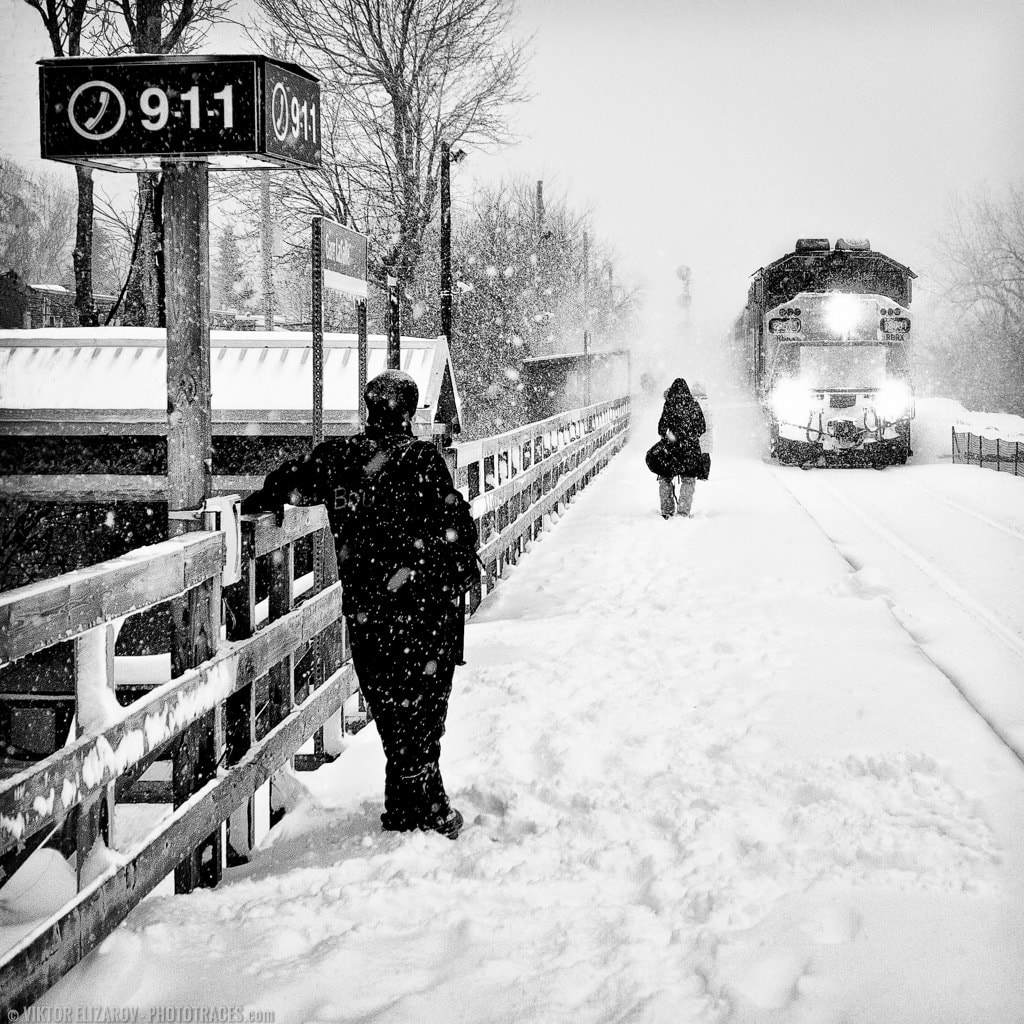
If you happen to’re photographing road scenes, I like to recommend utilizing a shutter velocity between 1/400s and 1/1000s. And when you’re photographing road scenes with fast-moving automobiles, trains, busses then I like to recommend a fair increased shutter velocity of round 1/1600s or 1/2000s. It will make sure you freeze the automobiles, with out ending up with any blur in any respect.
Associated: 10 Well-known Road Photographers
5. Household Images (Operating Children)
Relating to photographing households, it’s important to watch out. In case your youngsters are operating round, you would possibly find yourself with a blurry photograph–which completely no person will recognize.
So you utilize quick shutter velocity.
1/1000s is an efficient start line, and can usually guarantee the children are utterly frozen.
Causes for Utilizing Quick Shutter Velocity
Freezing Quick Motion
In conditions the place topics are in fast movement, corresponding to athletes in motion sports activities or wildlife on the transfer, a shutter velocity of 1/400s to 1/500s turns into indispensable. It permits you to freeze the motion, capturing the topic in clear element with none movement blur. That is particularly essential for sports activities photographers who have to seize that split-second landing or a wildlife photographer snapping a chicken in flight.

Decreasing Digicam Shake
A quicker shutter velocity not solely freezes the topic but in addition minimizes the impression of digicam shake. When taking pictures at slower speeds, even the slightest hand tremors or vibrations may end up in blurry pictures. By growing your shutter velocity, you guarantee your pictures stay sharp and shake-free.
Versatility in Vibrant Lighting Situations
Quick shutter speeds supply versatility, permitting you to work in numerous lighting circumstances. They’re particularly useful in conditions the place it is advisable to counteract the results of shiny daylight. By deciding on a quicker shutter velocity, you may preserve correct publicity whereas nonetheless capturing the motion.
Artistic Management
Utilizing shutter speeds within the 1/400s to 1/500s vary may also allow you to experiment with inventive images methods. As an illustration, you may seize distinctive water droplet splashes, freeze movement in road images, or create gorgeous, high-speed macro pictures.
Learn how to Use Quick Shutter Velocity
To harness the ability of a quick shutter velocity successfully, you will need to make the mandatory changes to your digicam settings. These changes are important in guaranteeing that you simply seize these split-second moments with precision and readability. Right here’s a step-by-step information on learn how to use quick shutter velocity:
1. Shutter Precedence Capturing Mode (S/Television)
Start by setting your digicam to Shutter Precedence mode, usually denoted as “S” (Nikon) or “Television” (Canon). This mode permits you to management the shutter velocity whereas the digicam takes care of the aperture. By deciding on a quick shutter velocity right here, you make sure that your digicam prioritizes capturing fast actions.
2. Steady Autofocus (AF-C)
Swap your digicam’s autofocus mode to Steady Autofocus (AF-C) or AI Servo (Canon). This setting permits your digicam to continually regulate the main focus as the topic strikes, guaranteeing that your fast-moving topic stays sharp and in focus.

3. Dynamic Space AF Mode
Use the Dynamic Space AF mode to permit your digicam to trace shifting topics throughout the body. This mode is especially helpful for motion sports activities or any situation the place your topic is in movement. It helps preserve concentrate on the topic even because it strikes throughout the body.
4. Steady (Burst) Drive Mode
Reap the benefits of the Steady or Burst Drive Mode. This mode permits you to seize a fast collection of pictures in fast succession. It’s excellent for motion images as a result of it will increase the possibilities of capturing that excellent second throughout fast-paced motion.
5. File Format
Whereas utilizing RAW format usually supplies higher picture high quality and a wider dynamic vary, in motion sports activities images, it’s frequent to modify to JPEG format. JPEG vs RAW information are smaller and permit for longer bursts earlier than the digicam’s buffer fills up, ensuring you don’t miss essential moments.
6. Reminiscence Card Velocity
Go for the quickest reminiscence card your digicam helps. This alternative ensures that your burst pictures are transferred shortly from the digicam’s buffer to the reminiscence card, decreasing downtime between bursts.
7. ISO Settings:
Given the quick shutter velocity limits the quantity of sunshine reaching the sensor, chances are you’ll have to regulate the ISO settings to steadiness the publicity. Improve the ISO setting as wanted to compensate for the lowered mild. Nevertheless, be cautious to not underexpose the pictures, as this may end up in the next degree of noise, particularly at excessive ISO settings.
By following these steps and adjusting your digicam settings accordingly, you’ll be well-prepared to take advantage of a quick shutter velocity, capturing action-packed moments with precision and readability, whether or not you’re taking pictures sports activities, wildlife, or any fast-moving topic.

Quick Shutter Velocity: FAQs
What’s the Minimal Shutter Velocity?
Minimal shutter velocity refers back to the slowest shutter velocity at which a digicam can function whereas nonetheless producing a correctly uncovered picture underneath particular lighting circumstances. It is a vital idea in images as a result of it determines the size of time the digicam’s sensor or movie is uncovered to mild.
Now, whereas most cameras mean you can shoot with a shutter velocity of 30s or quicker, the minimal shutter velocity varies from digicam to digicam.
As an illustration, a shopper digicam just like the Canon T7i/800D has a minimal shutter velocity of 1/4000s. However a professional-grade sports activities digicam such because the Canon 1D X Mark II permits shutter speeds of as much as 1/8000s.
Photographers have to know their digicam’s minimal shutter velocity and think about this issue together with different settings like aperture and ISO to realize the specified leads to totally different lighting circumstances and taking pictures situations.
What’s the Distinction Between Quick Shutter Velocity vs Gradual Shutter Velocity?
The excellence between a quick shutter velocity and a gradual shutter velocity lies within the length for which the digicam’s sensor or movie is uncovered to mild when taking {a photograph}. Listed here are the important thing distinctions between the 2:
Quick Shutter Velocity
- Temporary Publicity Time: Quick shutter speeds lead to a shorter publicity time, that means that the sensor or movie is uncovered to mild for under a short second.
- Freezing Movement: Sooner shutter speeds are sometimes used to freeze fast-moving topics or seize motion with precision. They’re important for sports activities images, wildlife images, and any scenario the place you wish to seize a topic in movement with out movement blur.
- Decreased Gentle: Due to the brief publicity time, much less mild reaches the digicam’s sensor. To keep up correct publicity, a wider aperture or the next ISO setting is usually required when utilizing quicker shutter speeds.

Gradual Shutter Velocity
- Prolonged Publicity Time: Gradual shutter speeds lead to an extended publicity time, permitting the sensor or movie to be uncovered to mild for an prolonged interval.
- Movement Blur: Gradual shutter speeds are used to deliberately introduce movement blur into images. This impact may be creatively employed for capturing the move of water, creating mild trails from shifting automobiles, or conveying a way of movement in a scene.
- Elevated Gentle: Owing to the lengthier publicity time, extra mild reaches the digicam’s sensor. That is notably advantageous in low-light circumstances or when aiming to seize the ambiance of a scene with a protracted publicity.
- Artistic Prospects: Gradual shutter speeds open the door to inventive images methods. They empower you to craft velvety-smooth waterfalls, seize celestial star trails, or evoke a sense of motion in nocturnal cityscapes.

The selection between utilizing a quicker or slower shutter velocity relies on your inventive goals and the precise calls for of your images.
Sooner shutter speeds excel at arresting dynamic motion and guaranteeing the sharpness of swiftly shifting topics, whereas slower shutter speeds supply a canvas for creative exploration and the infusion of movement blur into your compositions.
Quick Shutter Velocity | Closing Ideas
Hopefully, you now have a way of quick shutter velocity, their goal, and learn how to take care of them within the subject.
In spite of everything, choosing the proper shutter velocity is without doubt one of the principal keys to a sharp picture.
So be sure you take into consideration your shutter velocity–and begin taking pictures!
Some wonderful pictures await.
Articles Associated to “Quick Shutter Velocity: Information to Capturing Sharp Pictures“
[ad_2]